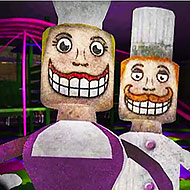
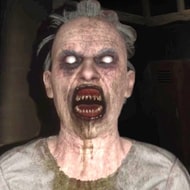
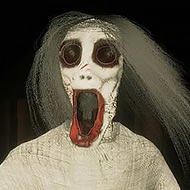
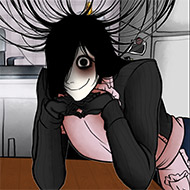
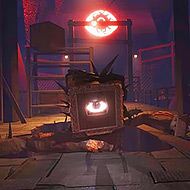
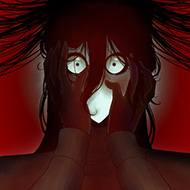
OBELISK is an unsettling analog horror game that traps players in a series of shadowed, confined rooms where every door could lead to safety—or a nightmare. The game relies on psychological tension, ambient audio, and distorted visuals to immerse players in a world that feels alive and aware of their presence. Survival isn’t just about movement; it’s about interpreting the signs of a space that constantly changes around you.
Rooms That Watch You
From the moment you enter OBELISK, it becomes clear that the facility is not ordinary. Each room is carefully designed to feel claustrophobic yet unpredictable. Walls may stretch, ceilings sag, and light sources flicker in ways that defy logic. The game creates a constant sense of paranoia: shadows shift when you’re not looking, and certain spaces seem to exist only to disorient you. OBELISK doesn’t tell you what’s dangerous—it lets you discover it through experience, heightening the suspense.
- Dark, Isolated Environments: Each room has its own atmosphere, often dimly lit with ominous sounds that hint at hidden dangers.
- Psychological Horror Mechanics: The game emphasizes tension and unease over jump scares, making every decision feel critical.
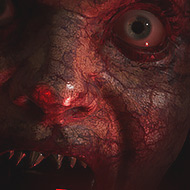
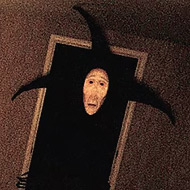
- Analog Visual Style: Grainy textures, distorted lighting, and subtle visual glitches create a vintage, unsettling feel, reminiscent of old analog recordings.
- Environmental Storytelling: Clues about the facility’s origin, purpose, and hidden horrors are scattered throughout, letting you piece together the mystery yourself.
Survival Through Awareness
OBELISK challenges players to remain vigilant. Every sound, flicker, or shift could indicate an approaching hazard. Unlike traditional horror games, there is no combat—survival depends entirely on observation, memory, and careful exploration.
- Pay Attention to Details: Changes in lighting, texture, or ambient noise often signal that a room is about to change or that a threat is near.
- Track Room Layouts: While rooms shift unpredictably, keeping mental notes of patterns can help anticipate hazards.
- Move Carefully: Hesitation can be deadly, but reckless movement can trigger environmental traps or attract unseen threats.
- Interpret Clues: Symbols, sounds, and objects often provide subtle guidance for navigating the labyrinth and avoiding danger.
The Unknown That Pursues
As you progress in OBELISK, the facility begins to feel alive. Hallways may loop back on themselves, doors can vanish, and rooms may twist into impossible angles. Entities may lurk just out of sight, or the threat may be entirely environmental, with shifting floors and walls forcing you to adapt constantly. This uncertainty ensures that no two playthroughs are alike, creating an intense, unpredictable horror experience.
OBELISK is more than a traditional game—it’s a descent into a surreal analog nightmare. The combination of psychological horror, shifting rooms, and minimal guidance tests your perception, intuition, and courage, leaving players questioning what is real and what is part of the facility’s malevolent design.